SHERLOCK Successfully Concludes, Delivering Innovative Learning Pathways for Europe's Green Transition
FOR IMMEDIATE RELEASE
After three years of collaboration, the Erasmus+ project SHERLOCK successfully concludes its journey to equip current and future professionals with the skills needed to support Europe's transition towards a sustainable, energy-efficient, and climate-neutral built environment.
Bringing together academic institutions, research organisations, industry representatives, and training providers from across Europe, SHERLOCK was created to address one of the most pressing challenges of the green transition: bridging the skills gap in the finance, construction and building sectors. Through an innovative and multidisciplinary approach, the project has developed flexible educational programmes designed to respond to the evolving needs of learners, professionals, and the labour market.
Throughout its lifetime, SHERLOCK has developed a comprehensive portfolio of educational resources, including two MicroMaster programmes, one Vocational Education and Training (VET) course, and an Info Course. These educational pathways have been co-created with stakeholders to ensure their relevance, practicality, and alignment with Europe's sustainability ambitions and emerging market needs.
“The transition towards a climate-neutral built environment requires not only technological innovation, but also a new generation of professionals equipped with interdisciplinary skills and a shared vision of sustainability," said Prof. Mattia De Rosa, from the University of Genoa and Project Coordinator of the SHERLOCK project. "Through SHERLOCK, we have demonstrated the value of collaboration between academia, industry, and training providers in developing educational pathways that can support Europe's green transition for years to come. Leading the SHERLOCK project has been an inspiring journey of collaboration, knowledge exchange, and innovation across Europe. I am proud of the educational resources and networks we have created together, which will continue to empower learners and professionals to drive sustainable transformation in the built environment.”
A key pillar of the project has been stakeholder engagement. Through national Knowledge Centres established across seven European countries, SHERLOCK has fostered dialogue and collaboration among professionals from diverse disciplines and sectors. By adopting a participatory methodology, the project has ensured that its educational programmes are firmly grounded in real-world challenges related to sustainable building renovation, energy efficiency, and climate neutrality.
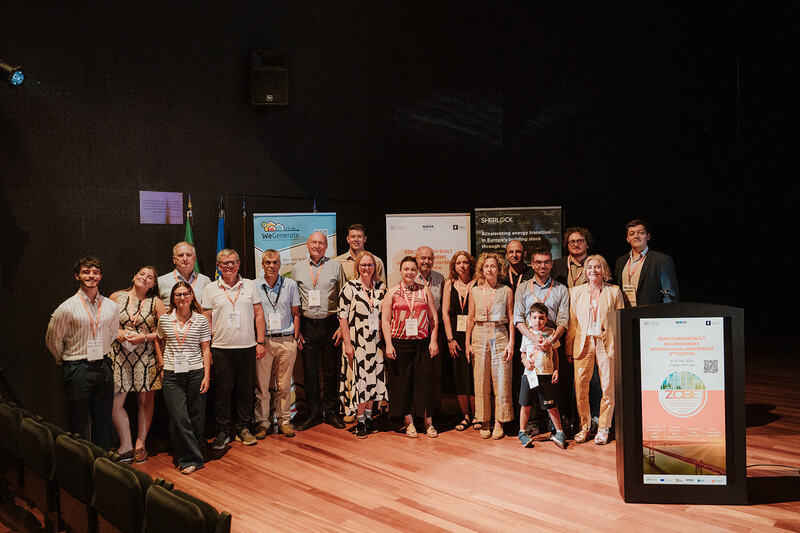
SHERLOCK's achievements were celebrated during its Final Event held in Lisbon as part of the 2nd International Zero Carbon Built Environment Conference (ZCBE 2026). The event brought together researchers, educators, industry experts, and policymakers to reflect on the project's outcomes and discuss the future of sustainable buildings and Europe's energy transition. The discussions highlighted the importance of combining technological innovation, skills development, knowledge sharing, and multi-stakeholder collaboration to successfully achieve Europe's climate goals.
Beyond the project's duration, SHERLOCK's legacy will continue through its educational programmes, resources, and stakeholder networks. By promoting lifelong learning, fostering interdisciplinary collaboration, and supporting the development of future-ready competencies, the project contributes to strengthening Europe's capacity to deliver sustainable and energy-efficient building solutions.
As Europe accelerates its journey towards climate neutrality, investing in people and skills remains essential. SHERLOCK demonstrates that the green transition is not only about innovative technologies—it is equally about empowering individuals, building communities of knowledge, and creating opportunities for continuous learning and collaboration.
The SHERLOCK consortium would like to warmly thank all project partners, stakeholders, experts, educators, learners, and community members who contributed to the project's success. Their commitment and active participation have been instrumental in shaping SHERLOCK's outcomes and ensuring its lasting impact.
For more information about the project's results and educational programmes, please visit the SHERLOCK website.
Previous post